Key takeaways
- An inventory lists every item you provide, where it is and what condition it's in on the day the tenant moves in.
- Dated photos and a note of any existing marks matter as much as the written list.
- Both you and the tenant should sign it, and each keeps a copy.
- Matching, brand-new furniture makes the inventory shorter and the check-out comparison much simpler.
Why an inventory matters
If a tenant moves out and a wardrobe door is damaged or a sofa is stained, the first question is always the same: what condition was it in when they moved in? Without a record, it comes down to your word against theirs. A good inventory answers that question in minutes.
It also works in the tenant's favour, because it shows they won't be blamed for marks that were already there. That's why a fair, detailed inventory tends to make the whole tenancy run more smoothly. If you haven't yet decided what to include in the property, start with our furnished rental checklist.
What to record for every item
For each piece of furniture, note:
- What it is – "Double wardrobe", "Two-seater sofa", "Dining chair (x4)". Be specific about quantities.
- Where it is – the room it sits in.
- Its condition – new, good, fair or worn, with a short description of any marks, chips, stains or loose parts.
- Its fire safety label – for sofas, mattresses, headboards and other upholstered items, note that the permanent label is present. Our guide to furniture fire safety regulations explains why this matters.
- Any manuals or spare parts – for example, keys for locking drawers or spare fittings.
Use plain, consistent words. "Good condition" means different things to different people, so a short description such as "no visible marks" is more useful than a grade on its own.
Room-by-room checklist
| Room | Items to list | Things to check and note |
|---|---|---|
| Bedroom | Bed base, mattress, headboard, wardrobe, chest of drawers, bedsides, lamps | Mattress surfaces, drawer runners, wardrobe doors and rails, headboard fabric |
| Living room | Sofa, accent chair, coffee table, TV unit, rug | Upholstery, cushions, table tops, fire labels |
| Dining area | Table, chairs, sideboard | Table surface, chair legs and seats |
| Kitchen | Appliances, crockery, cutlery, pans, utensils | Count the items; check appliances work and are clean |
| Bathroom | Bath mat, bin, accessories, mirror | Condition and cleanliness |
| Whole property | Curtains or blinds, light shades, keys | Number of keys and fobs handed over |
Take photos – and date them
Photos are your strongest evidence. A few simple habits make them far more useful:
- Take a wide shot of each room first, then close-ups of every item and any existing marks.
- Photograph the inside of wardrobes and drawers, and the underside of tables if there are marks.
- Use a phone that adds a date and time, and keep the original files rather than screenshots.
- Photograph the fire safety label on upholstered pieces.
- Take the photos in good light, at the point of check-in, not weeks earlier.
Back up the photos somewhere safe and label them by room so you can find them quickly later.

Doing the check-in
- Prepare it in advance. Write the list before the tenant arrives, based on what you've provided.
- Walk the property together if you can. The tenant can point out anything you've missed.
- Agree and sign. Both parties sign and date the inventory, and each keeps a copy.
- Give the tenant time to comment. Many landlords allow a few days for the tenant to add anything they notice after moving in.
- Store the copy safely. You may need it months or years later.
You can write the inventory yourself or use a professional inventory clerk. A clerk costs more, but their reports are detailed and independent, which can carry weight if there's a dispute. Either way, the principle is the same.
Using it at check-out
At the end of the tenancy, go through the property with the inventory in hand and compare each item with its original entry and photos. Note any differences, and take fresh photos of anything you think has changed. Remember that some change over time is natural – see our guide to fair wear and tear on furniture for how to tell the difference between normal ageing and damage.
If you do need to make a deduction from the deposit, your inventory and photos are the evidence you'll need to support it. Check the current rules for protecting and returning deposits with your deposit protection scheme, as these differ across the UK.
Why new, matching furniture makes inventories simpler
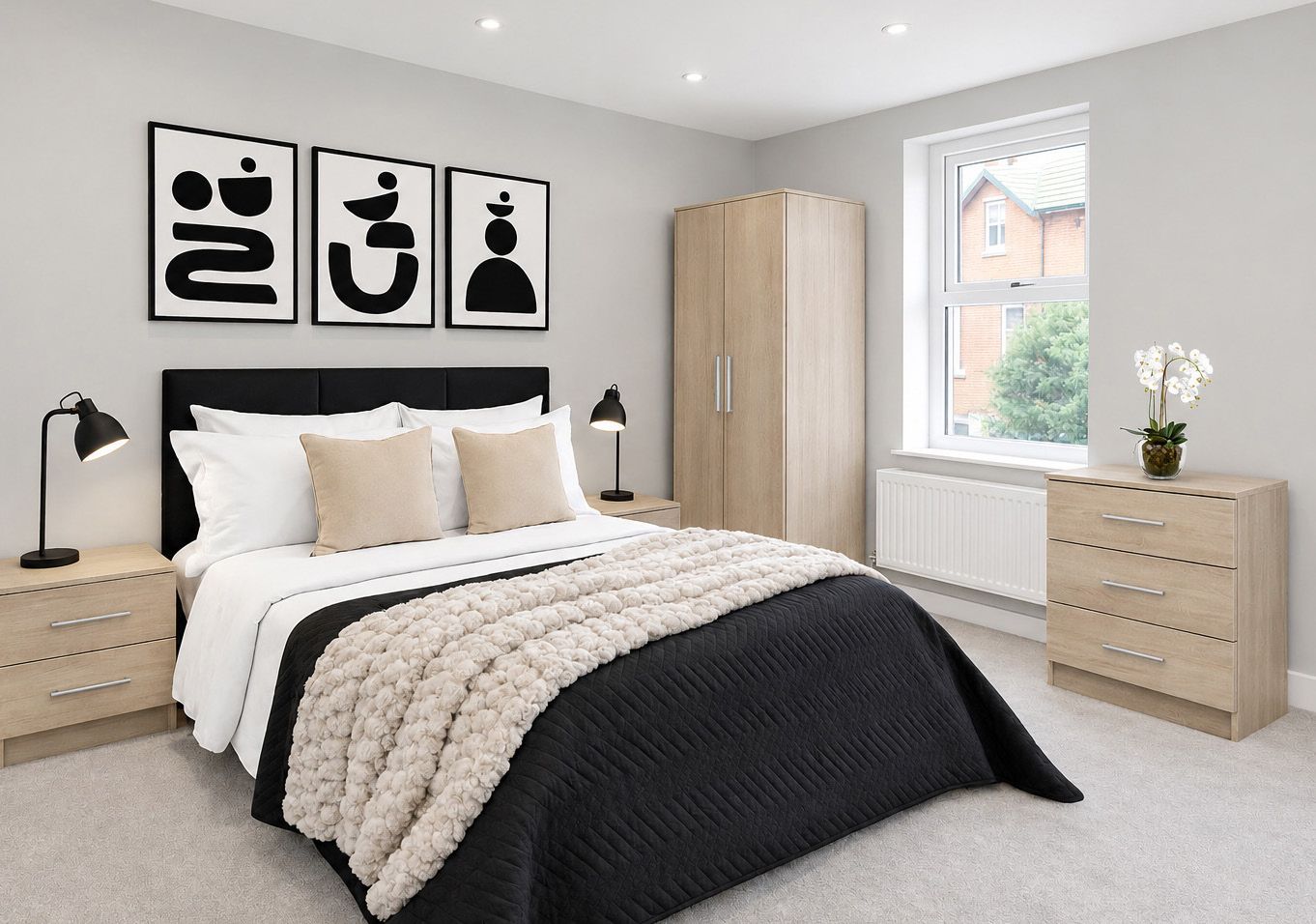
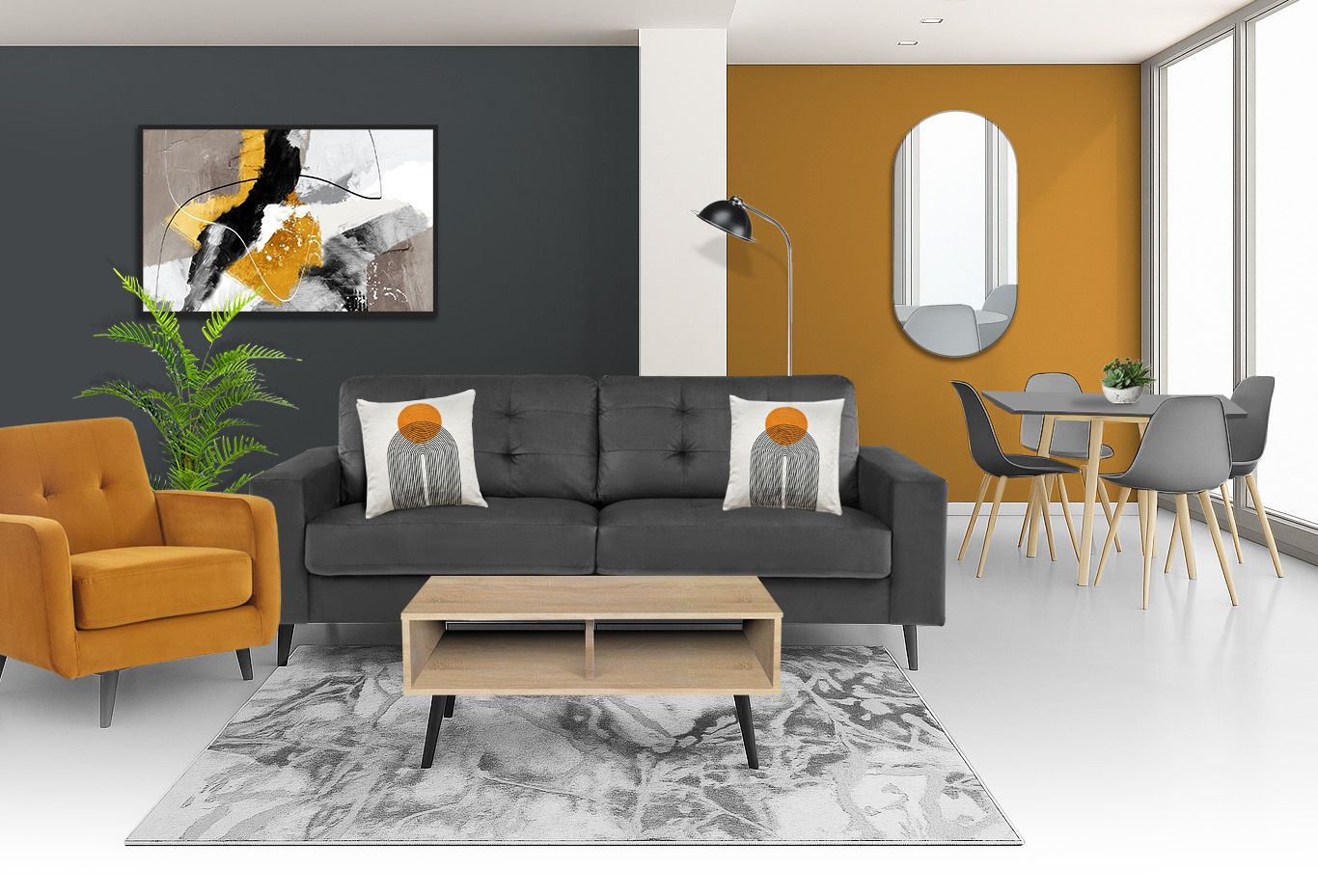
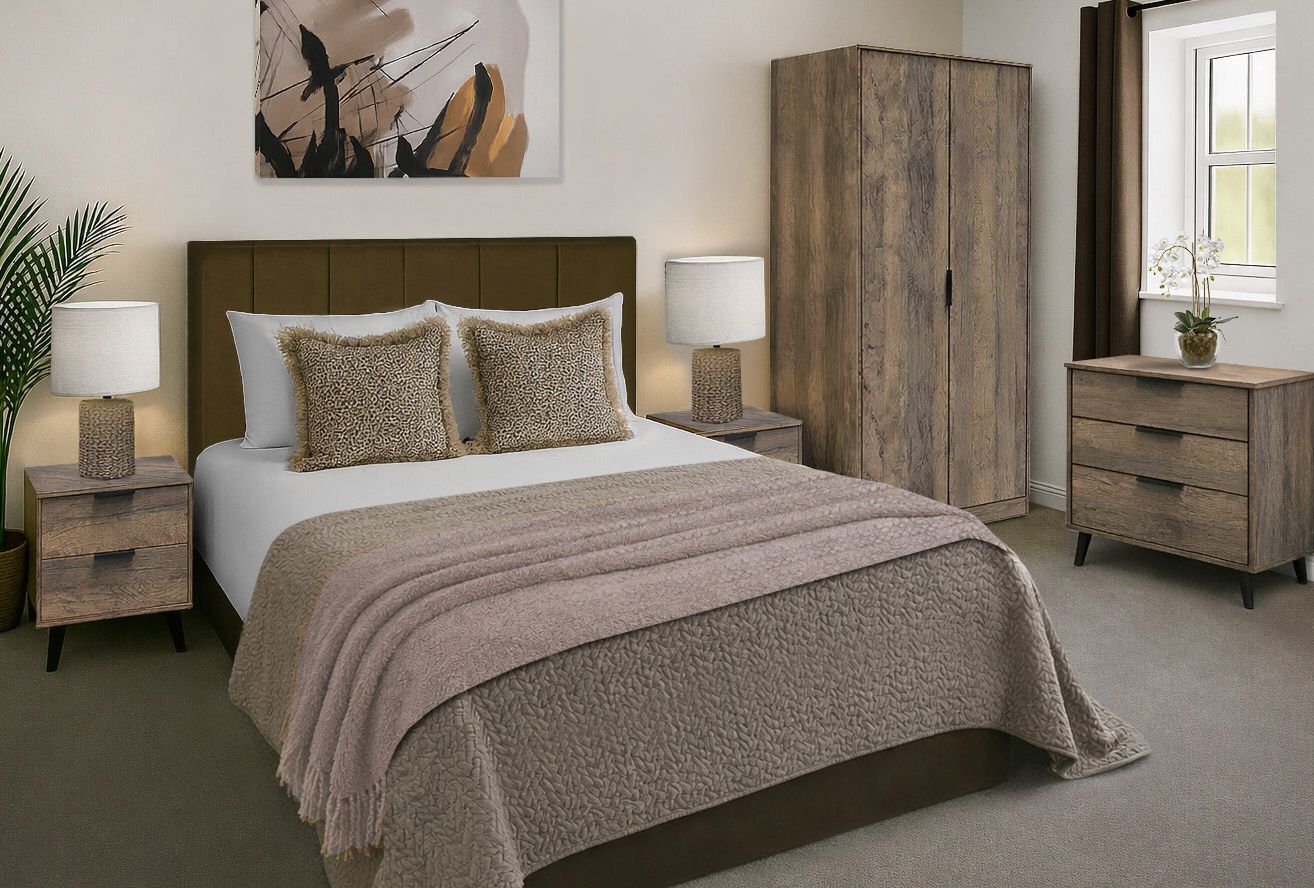
When every piece arrives new and in the same style, the inventory almost writes itself: every item starts in the same "as new" condition, and there's no debate about what was already worn. Our team also provides photos of the finished installation on all packages, which gives you a clean set of reference images from day one.
Our buy to let furniture packages start from £2,399 + VAT for a one-bed and £2,999 + VAT for a two-bed, delivered, assembled and installed free across the UK, with all packaging removed. Hard furniture comes with a 3-year no-quibble warranty. See the full range of landlord furniture packs for HMO, serviced accommodation and buy to let properties.
If you'd like to spread the cost, we offer lease finance over 3–5 years or a 60-day payment plan, subject to status.
Frequently asked questions
Do landlords have to provide an inventory?
There's no general legal requirement to provide one for a standard tenancy, but it's strongly recommended. An inventory is the main evidence of what was supplied and in what condition, which can be important if there's a disagreement over the deposit.
What should a landlord's inventory include?
Every item you provide, which room it's in, its condition at check-in, any existing marks, the fire safety label on upholstered furniture, and dated photos. Both you and the tenant should sign it.
Should I use an inventory clerk or write it myself?
Either works. A professional clerk produces detailed, independent reports, which can carry weight in a dispute, but a thorough landlord-written inventory with dated photos is far better than none.
How does new furniture make an inventory easier?
Every item starts in the same as-new condition and there's no argument about earlier wear. Our installations also come with photos of the finished property, giving you reference images from day one.