Key takeaways
- Your target tenant decides it: sharers, students, professionals and relocators want furnished; families often prefer unfurnished.
- Furnished homes often let faster and can achieve a higher rent, especially in city-centre and sharer markets.
- Furnished lets need an inventory, fire-compliant furniture and a plan for replacing worn items.
- Part-furnished is a middle ground – but often satisfies nobody. Decide who you're letting to first.
Start with your tenant
The right answer depends far more on who you want to rent to than on the property itself.
| Usually want furnished | Often prefer unfurnished |
|---|---|
| Students and young professionals | Families with their own furniture |
| Sharers in HMOs | Long-term tenants planning to stay for years |
| People relocating for work, contractors and corporate lets | Older tenants downsizing |
| International tenants | Tenants moving from a home they owned |
| Serviced accommodation guests |
Look at what's letting fastest in your area. If most of the similar properties on the portals are furnished, an unfurnished flat will sit in the listings longer – and the other way round.
The case for furnishing
- Higher rent – furnished homes can often command a premium, particularly in city centres and sharer markets.
- Faster lets – tenants can move straight in, which matters for people relocating at short notice.
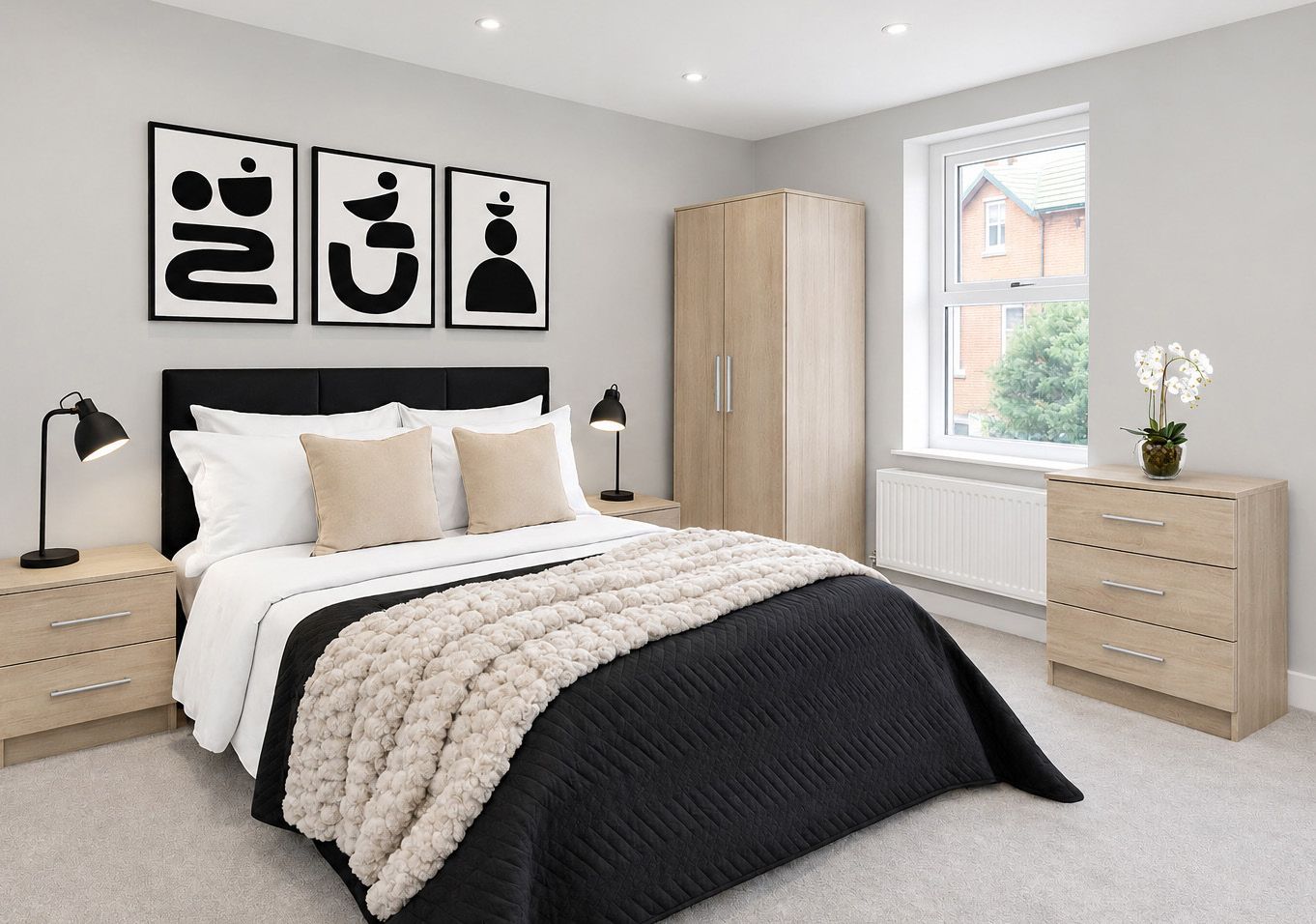
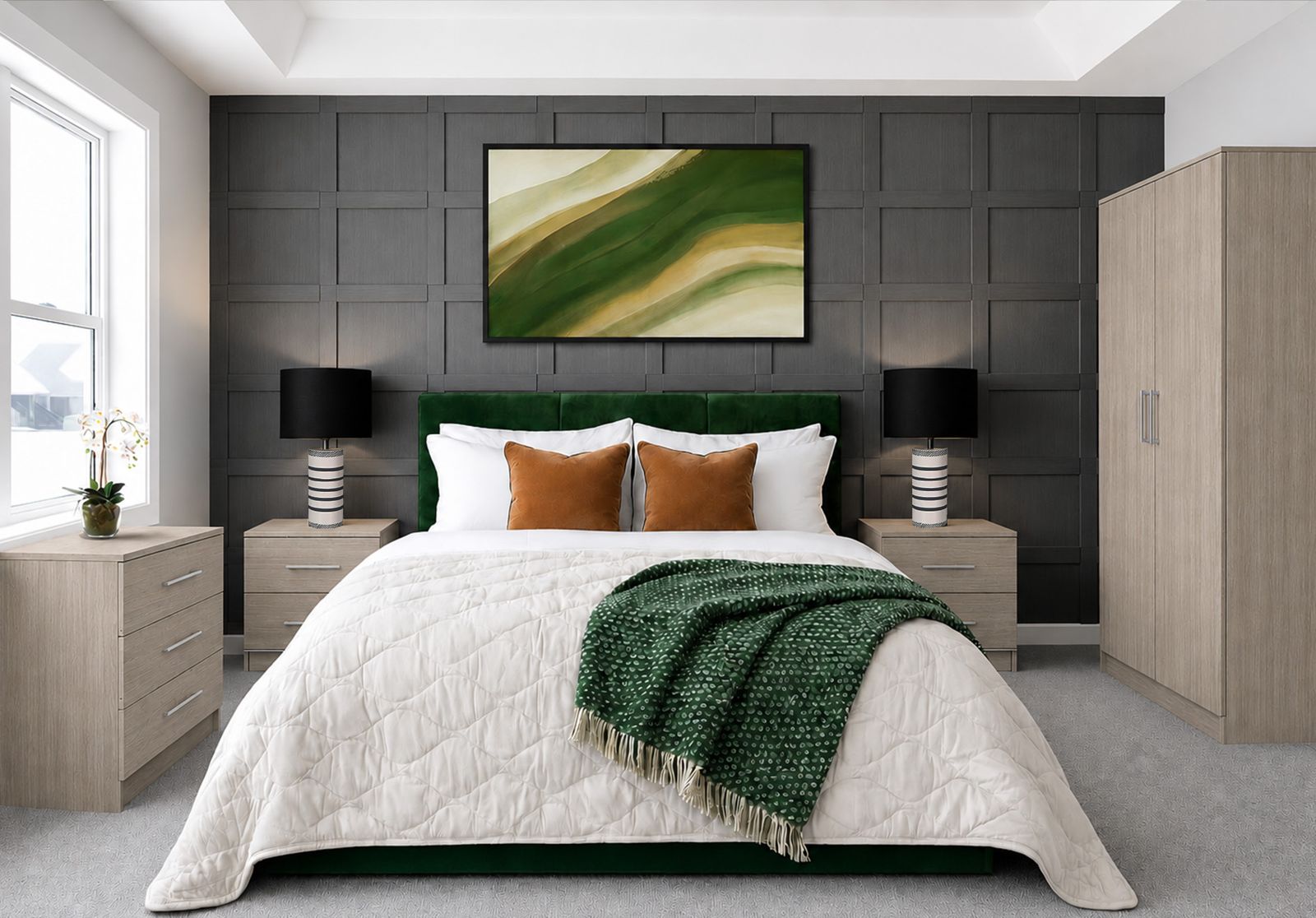
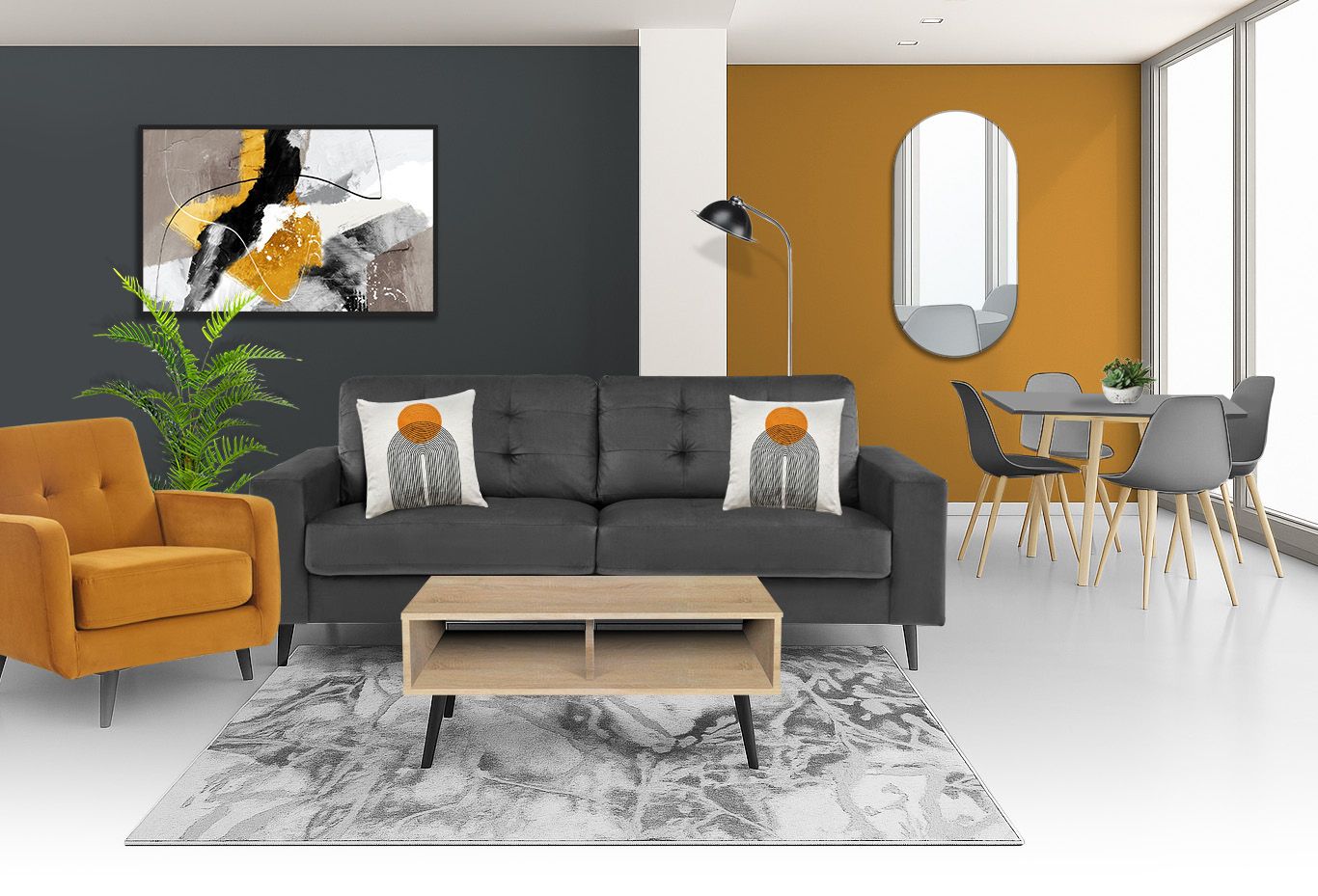
- Better photos – a furnished, styled property stands out on Rightmove and Zoopla, and tenants can picture living there.
- Flexibility – a furnished property can switch between long lets, corporate lets and serviced accommodation.
The downsides to plan for
- Upfront cost – though finance can spread this over 3–5 years.
- Wear and tear – furniture eventually needs replacing. Contract-grade furniture lasts far longer than retail flat-pack.
- Compliance – upholstered furniture must meet the fire safety regulations.
- Inventories – you need a detailed inventory with photos to manage deposits fairly.
- Shorter tenancies – furnished properties can attract tenants who move on sooner.
Tax: what you can and can't claim
For residential lets, the cost of furnishing a property for the first time usually isn't deductible from your rental income. When you replace furniture, appliances or furnishings like-for-like, you can usually claim the cost through Replacement of Domestic Items Relief. Rules change and every landlord's situation is different, so check with your accountant.
What about part-furnished?
Part-furnished usually means white goods, curtains and perhaps a bed or dining table. It can widen your audience, but it often satisfies nobody: tenants with furniture have to store your items, and tenants without furniture still have to buy a sofa. If you choose part-furnished, be clear in the listing about exactly what's included.
Our view
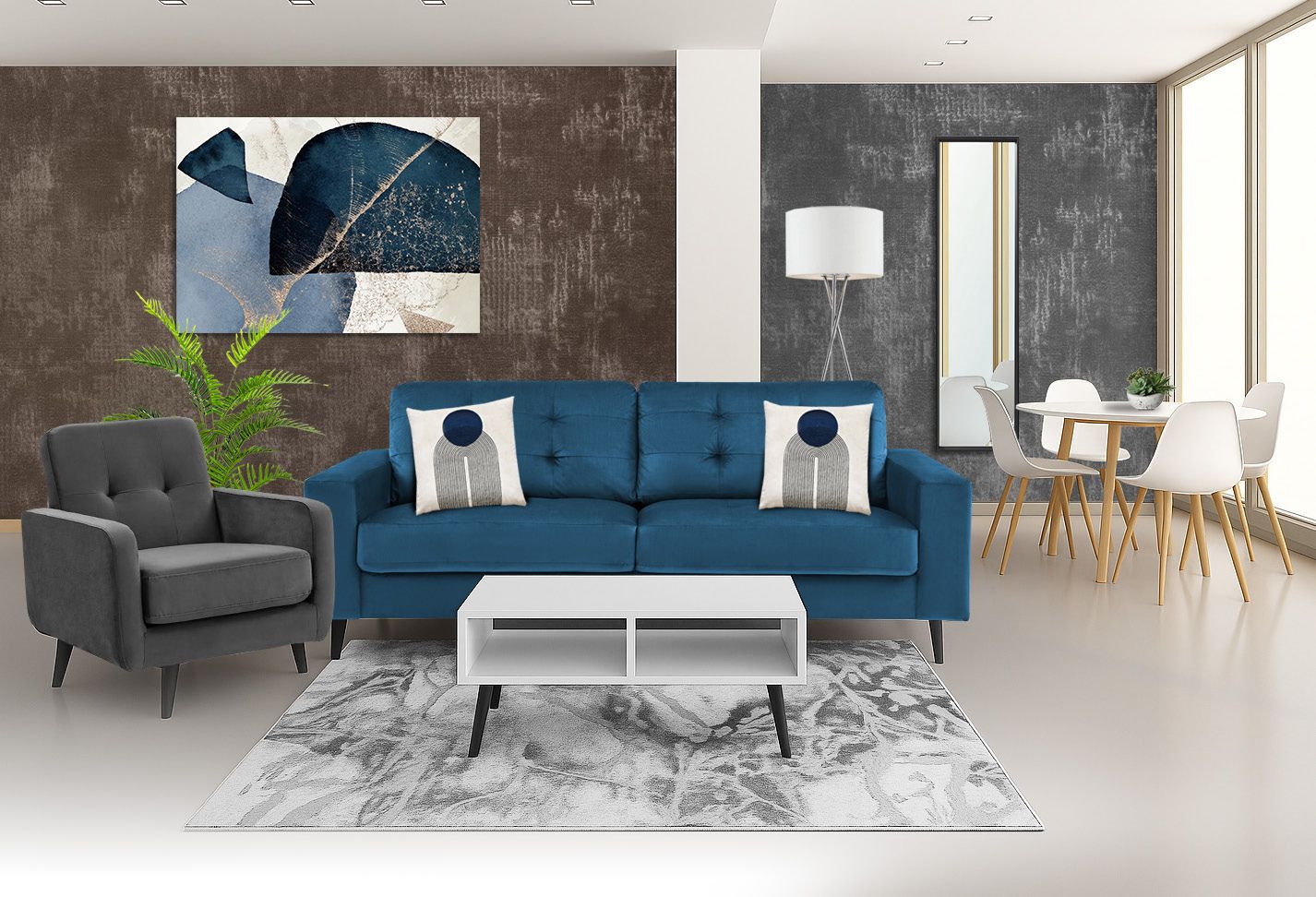
If your property is aimed at sharers, students, young professionals, relocators or guests, furnishing it well is one of the most effective things you can do to let it faster and for more. Choose durable, coordinated furniture and present it properly – a tired mix of second-hand items can do more harm than an empty room.
Frequently asked questions
Do furnished rentals get higher rent?
Often, yes – especially in city-centre, student and sharer markets where tenants expect to move straight in. Check what comparable furnished and unfurnished properties are achieving in your area.
What should a furnished rental include?
Usually beds and mattresses, wardrobes and drawers, a sofa, coffee table, dining table and chairs, curtains or blinds and white goods. Many landlords also add a kitchen pack with basic crockery, cutlery and pans.
Can I claim furniture against tax?
Replacing furniture like-for-like in a residential let can usually be claimed through Replacement of Domestic Items Relief. Furnishing a property for the first time usually can't. Ask your accountant about your situation.
How much does it cost to furnish a buy to let?
Our buy to let furniture packages start from £2,399 + VAT for a one-bed property and £2,999 + VAT for a two-bed, including delivery and installation.