Key takeaways
- Voids are expensive: a £1,000-a-month property loses about £230 for every empty week.
- Most slow lets come down to price, photos or presentation – fix those first.
- Plan the next let before the current tenant leaves, and turn the property round in days, not weeks.
- Keeping a good tenant is the cheapest way of all to avoid a void.
What a void really costs
A void period is the time your property sits empty between tenancies. You lose the rent, and you still pay the mortgage, council tax, utilities and insurance. On a property let at £1,000 a month, every empty week costs around £230 in rent alone – a four-week void is close to £1,000 gone.
If your property isn't letting, the cause is almost always one of three things: price, photos or presentation.
Nine ways to cut void periods
1. Price it for the market, not your mortgage
Compare similar properties that have actually let recently, not just those listed. Asking slightly too much can cost you more in empty weeks than a small reduction would over the whole year.
2. Invest in professional photos
Your listing photos are your shop window. Bright, wide-angle photos of a clean, styled property get more clicks and more viewings. Dark phone photos of empty rooms get scrolled past.
3. Present it properly
Fresh paint, clean carpets and working light bulbs make a big difference. Fix the small things – dripping taps, broken blinds, scuffed doors – before anyone views.
4. Furnish for your target tenant
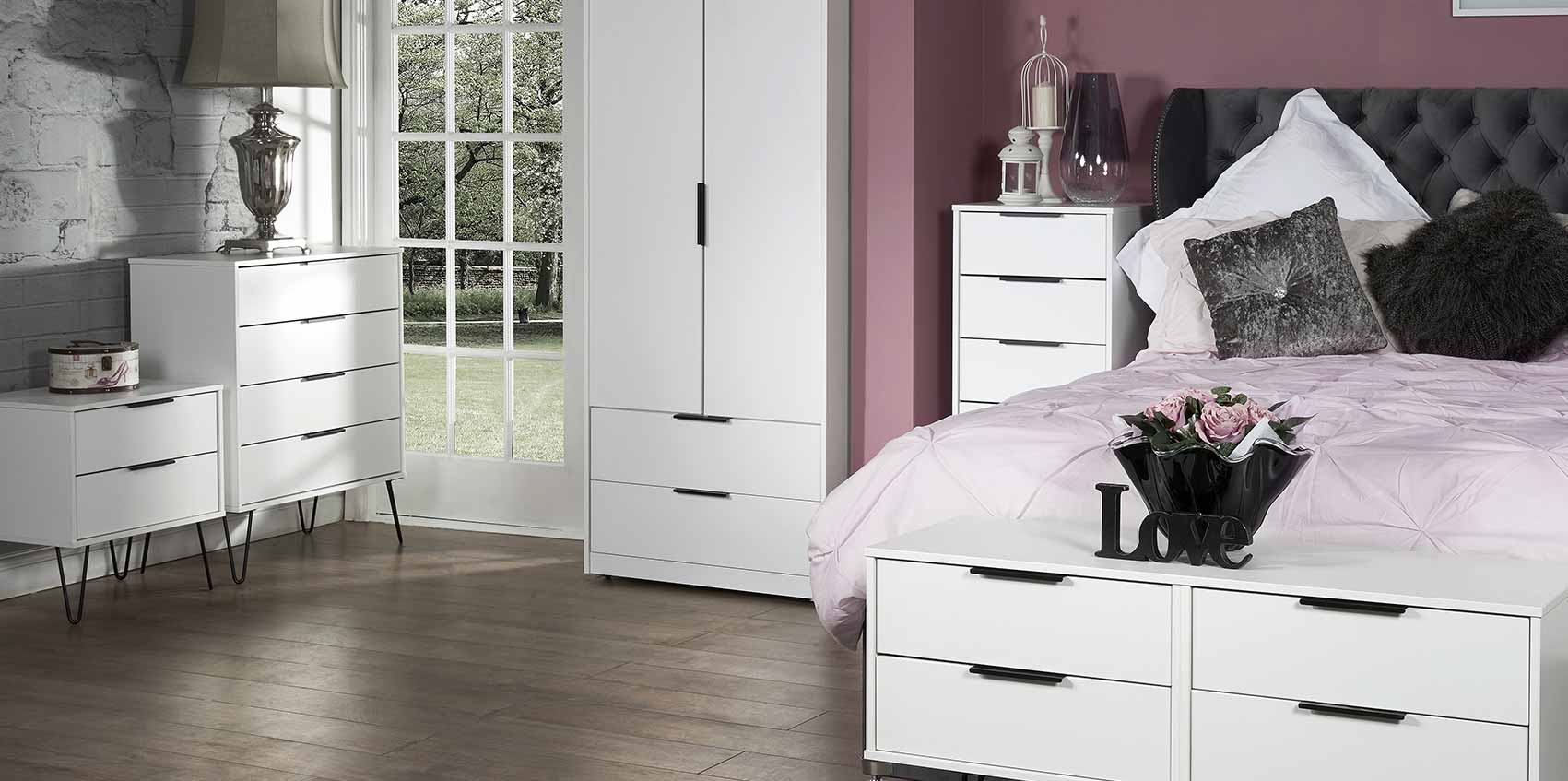
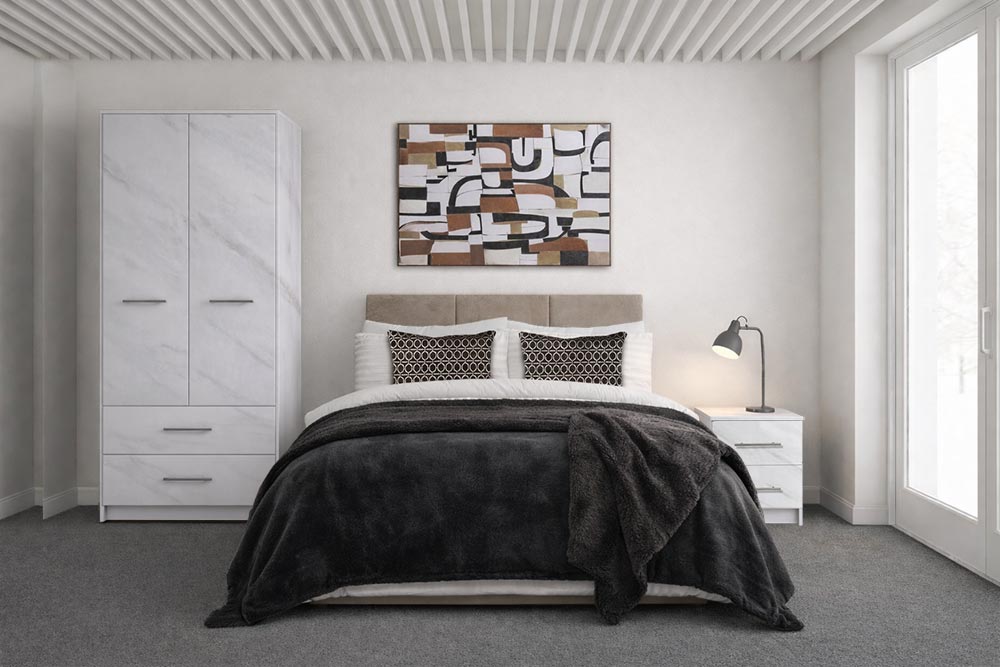
If your tenants are likely to be professionals, students, sharers or relocators, a coordinated furniture package helps the property photograph well and lets tenants move straight in. See furnished vs unfurnished to decide what suits your property.
5. Start marketing before the tenant leaves
As soon as you get notice, arrange viewings (with proper notice to the current tenant) and line up any work. The goal is a new tenant moving in days after the last one moves out.
6. Turn the property round fast
Book cleaners, trades and deliveries in advance. If you're replacing furniture, choose a supplier who delivers and installs everything in one visit and takes the packaging away – we furnish a whole property in a day.
7. Make it easy to say yes
Offer flexible viewing times, including evenings and weekends, respond to enquiries quickly and be clear about what's included in the rent.
8. Stand out from similar listings
Look at what your competition offers. Fast broadband, a desk for home working, bills-included options in HMOs or a well-furnished communal space can be the deciding factor.
9. Keep good tenants
The cheapest void is the one that never happens. Respond to repairs quickly, keep the property in good condition and replace worn furniture before it becomes a complaint.
Extra tips for HMOs
- Advertise rooms individually with their own photos and prices
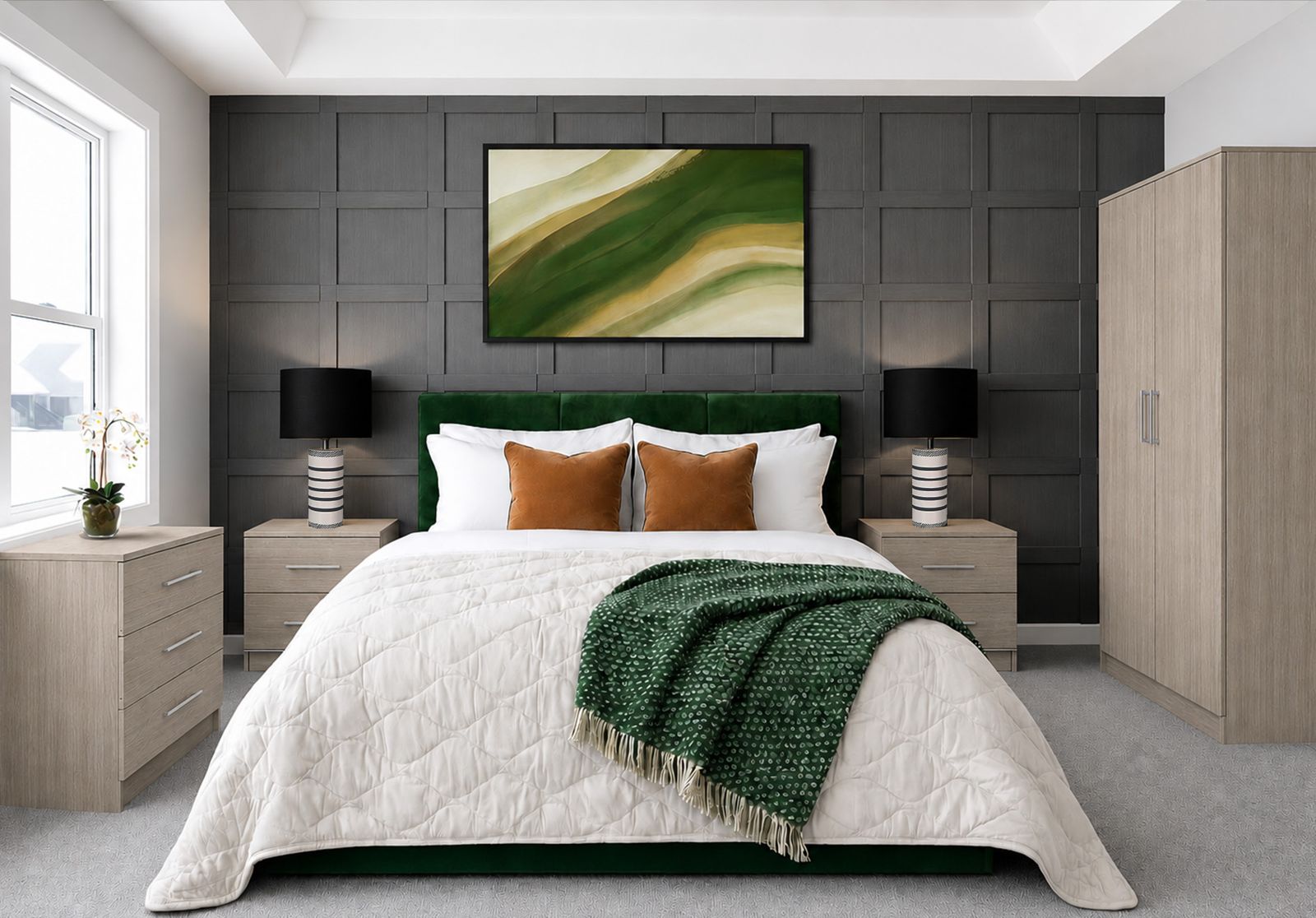
- Make every bedroom feel finished – double bed, headboard, desk and good storage
- Keep communal areas clean and furnished; they're the first thing viewers see
- Time your marketing around the local academic year if you let to students
Frequently asked questions
What is a void period?
A void period is the time a rental property sits empty between tenancies, when the landlord receives no rent but still pays costs such as the mortgage, council tax and utilities.
Why is my rental property not letting?
The most common reasons are an asking rent above the local market, poor listing photos or a property that isn't presented well. Compare recently let similar properties and fix those three things first.
Does furnishing a property help it let faster?
For students, sharers, young professionals and people relocating, often yes – they want to move straight in, and a furnished, styled property photographs better and stands out in listings.
How quickly can you furnish a rental property?
We deliver and install a full furniture package in a single visit, usually within 7 days of order, and remove all packaging so you can advertise the property straight away.